


What Is a Microwave?

A microwave is a compact kitchen appliance that heats food using electromagnetic waves. Instead of warming the air around the food, it directly excites water molecules inside, creating heat quickly and efficiently. This makes it ideal for reheating leftovers, defrosting frozen items, and preparing simple meals in minutes with minimal energy use.
What Is an Electric Oven?

An electric oven is a cooking appliance that uses heating elements to warm the air inside an enclosed space. This hot air surrounds the food, allowing it to cook evenly from the outside in. It’s perfect for baking, roasting, and grilling, delivering consistent results with better texture, browning, and flavor development.
Key Differences Between Microwave and Electric Oven
| Aspect | Microwave | Electric Oven |
|---|---|---|
| Heating Method | Heats food directly using electromagnetic waves | Heats surrounding air, then transfers heat to food |
| Cooking Speed | Very fast, cooks in minutes | Slower, requires preheating and gradual cooking |
| Texture & Results | Soft and moist, no browning | Crispy, browned, and textured finish |
| Functions | Reheating, defrosting, simple cooking | Baking, roasting, grilling, versatile cooking |
| Energy Efficiency | More efficient for small tasks | Higher energy use due to full chamber heating |
| Capacity & Use | Best for small portions and quick meals | Suitable for large meals and batch cooking |
| Cost & Space | Affordable and compact | Higher cost and requires more space |
Heating Method

A microwave uses electromagnetic waves to heat food directly from the inside, which makes it fast and efficient. In contrast, an electric oven heats the air inside a chamber first, then transfers that heat to the food. This indirect method allows for more even cooking, especially for thicker or larger dishes.
Cooking Speed
Microwaves are built for speed. They can heat or cook food in just a few minutes, making them perfect for busy routines. Electric ovens take longer because they need time to preheat and cook gradually, but this slower process often leads to better overall cooking results.
Cooking Results & Texture

Microwaves tend to produce soft and moist food because they don’t create surface browning. Electric ovens, however, excel at texture. They can crisp, brown, and caramelize food, which is essential for baking, roasting, and achieving that golden finish.
Cooking Functions

Microwaves are mainly used for reheating, defrosting, and simple cooking tasks. Electric ovens offer more versatility, handling baking, roasting, grilling, and even slow cooking. This makes ovens a better choice for more complex recipes and cooking styles.
Energy Efficiency

For small or quick tasks, microwaves are more energy efficient since they heat food directly without warming a large space. Electric ovens consume more energy because they must heat the entire cooking chamber and maintain a consistent temperature over time.
Capacity & Use Case
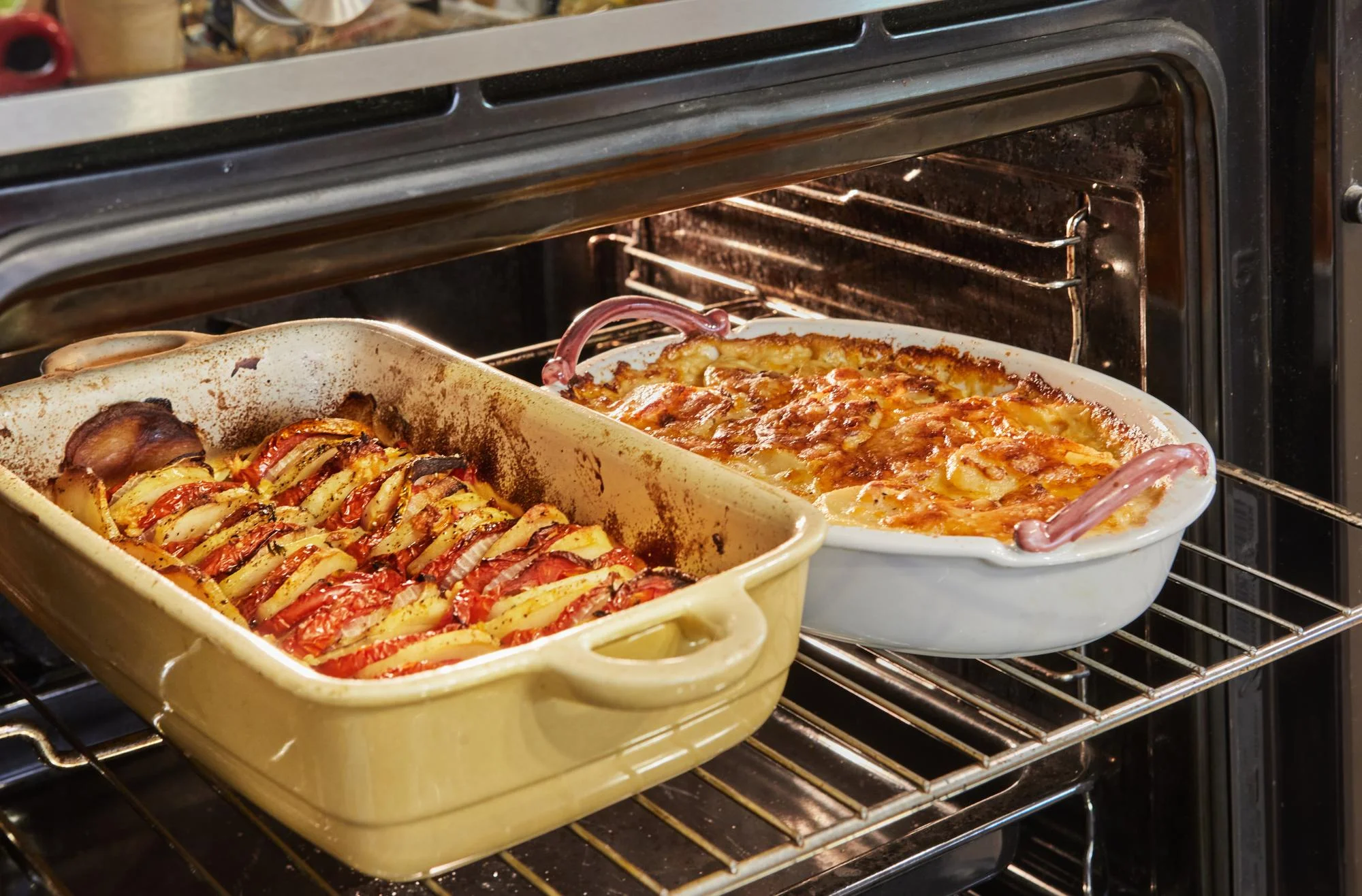
Microwaves are ideal for small portions and quick meals, especially for individuals or small households. Electric ovens are designed for larger quantities, making them suitable for family meals, batch cooking, or entertaining guests.
Cost & Space
Microwaves are generally more affordable and take up less space, making them easy to fit into most kitchens. Electric ovens require a bigger investment and more room, but they offer greater cooking flexibility and performance for long-term use.
Microwave vs Electric Oven: Which One Should You Choose?

Choosing between a microwave and an electric oven comes down to how you cook every day. Think about your time, space, and the type of food you enjoy. Here’s a simple way to decide:
Choose a Microwave If:
A microwave is the best fit when speed and convenience matter most. It’s designed for quick tasks and everyday use.
- You need fast reheating or defrosting for busy schedules
- You have limited kitchen space and need a compact solution
- You want lower energy use for small meals and simple cooking
- You mostly prepare ready meals, leftovers, or light dishes
Choose an Electric Oven If:
An electric oven is ideal when cooking quality and versatility are your priorities. It gives you better control over texture and flavor.
- You bake or roast regularly (cakes, bread, meats)
- You want crispy, browned, and evenly cooked results
- You cook for families or prepare large batches
- You enjoy experimenting with different recipes and techniques
Upgrade Your Cooking Experience Today
Looking for the right appliance to match your cooking needs? Whether you need a fast, space-saving microwave or a high-performance electric oven for professional results, we’ve got you covered.
- Tailored solutions for home and commercial kitchens
- Reliable quality with efficient performance
- Expert support to help you choose the best option
Contact us today to find the perfect cooking solution for your kitchen.
FAQs
Which is better microwave or electric oven?
Neither is universally better—it depends on your needs. A microwave is best for speed and convenience, while an electric oven is better for cooking quality, baking, and achieving crispy textures.
Which is healthier, a microwave or an oven?
Both are safe and healthy when used properly. Microwaves may even retain more nutrients due to shorter cooking times, while ovens are better for cooking methods that reduce added fats.
What are 5 disadvantages of using a microwave oven?
Microwaves can heat food unevenly, do not brown or crisp food well, have limited cooking functions, may affect texture negatively, and are not suitable for all types of dishes like baking or roasting.
What food cannot be heated in a microwave?
Foods like whole eggs in shells, sealed containers, metal-wrapped items, and some dry or low-moisture foods should not be microwaved, as they can explode, spark, or heat unevenly.


 English
 Arabic
 German
 Spanish
 French
 Italian
 Japanese
 Korean
 Portuguese
 Russian